
June 25, 2026
If you are thinking about buying in 12 South, you are probably weighing more than price. This is one of Nashville’s most recognized neighborhood markets, but the real decision often comes down to how much character, convenience, and future flexibility you want in one address. If you understand the tradeoffs before you start touring, you can shop with more confidence and fewer surprises. Let’s dive in.
12 South is not just a collection of homes near popular shops and restaurants. Metro Nashville treats it as a distinct neighborhood area, and the city has made recent corridor improvements that include protected bike lanes, safer crossings, repaving, bioswales, and bus-stop upgrades.
That matters because the neighborhood experience is more street-oriented and urban than some buyers first expect. In 12 South, your daily experience may be shaped as much by parking, access, and block layout as by the house itself.
One reason 12 South feels so layered is that its housing stock is not all one thing. Metro’s corridor guidance allows for houses and cottages in single-family areas, while mixed-housing areas may include cottages, cottage courts, townhouses, stacked flats, courtyard flats, and houses.
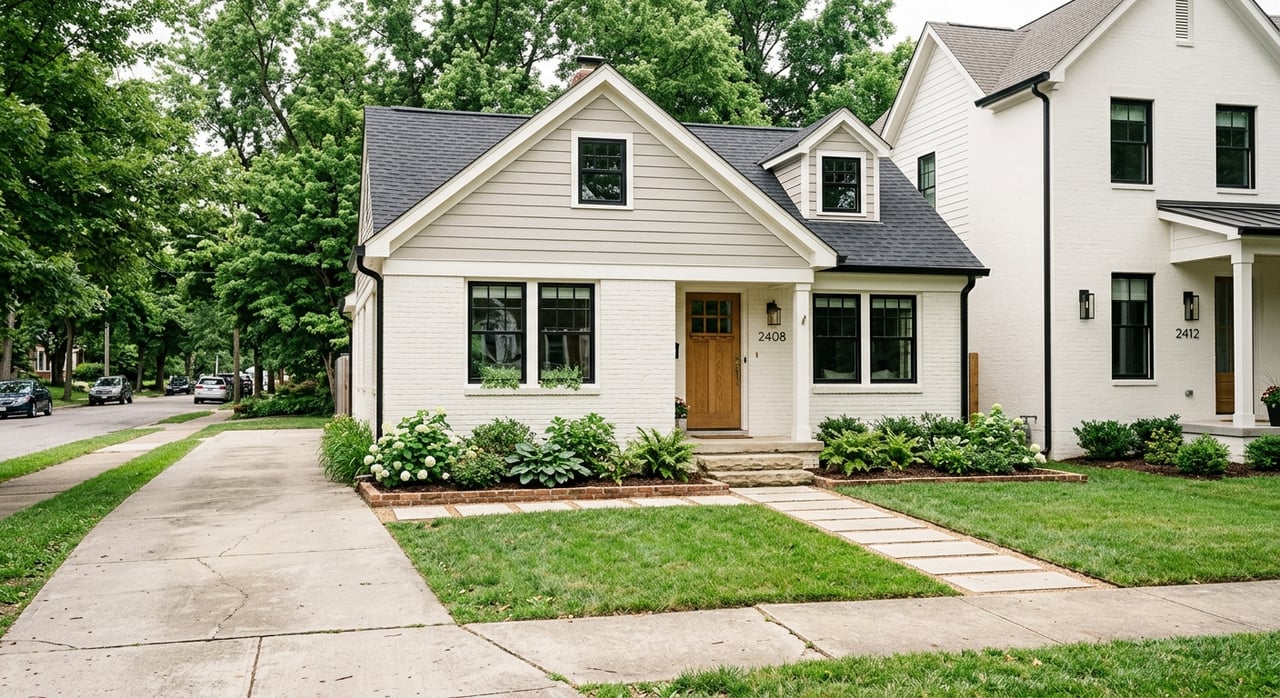
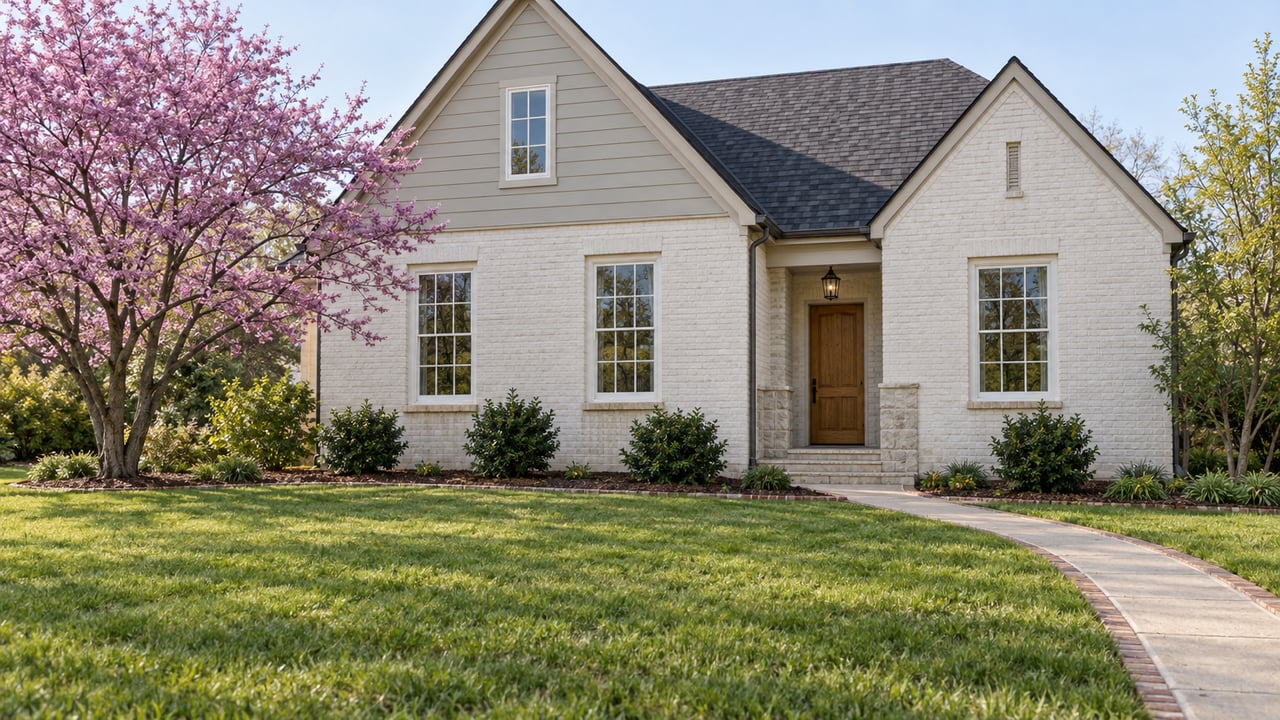
In practical terms, that helps explain why you can see a renovated bungalow, an older cottage, and newer infill homes on the same block. For buyers, that variety creates options, but it also means each property needs to be judged on its own merits.
Many buyers are drawn to 12 South for its older homes with established character. Renovated cottages can offer charm, but the updates behind the walls, parking setup, and lot function may vary widely from house to house.
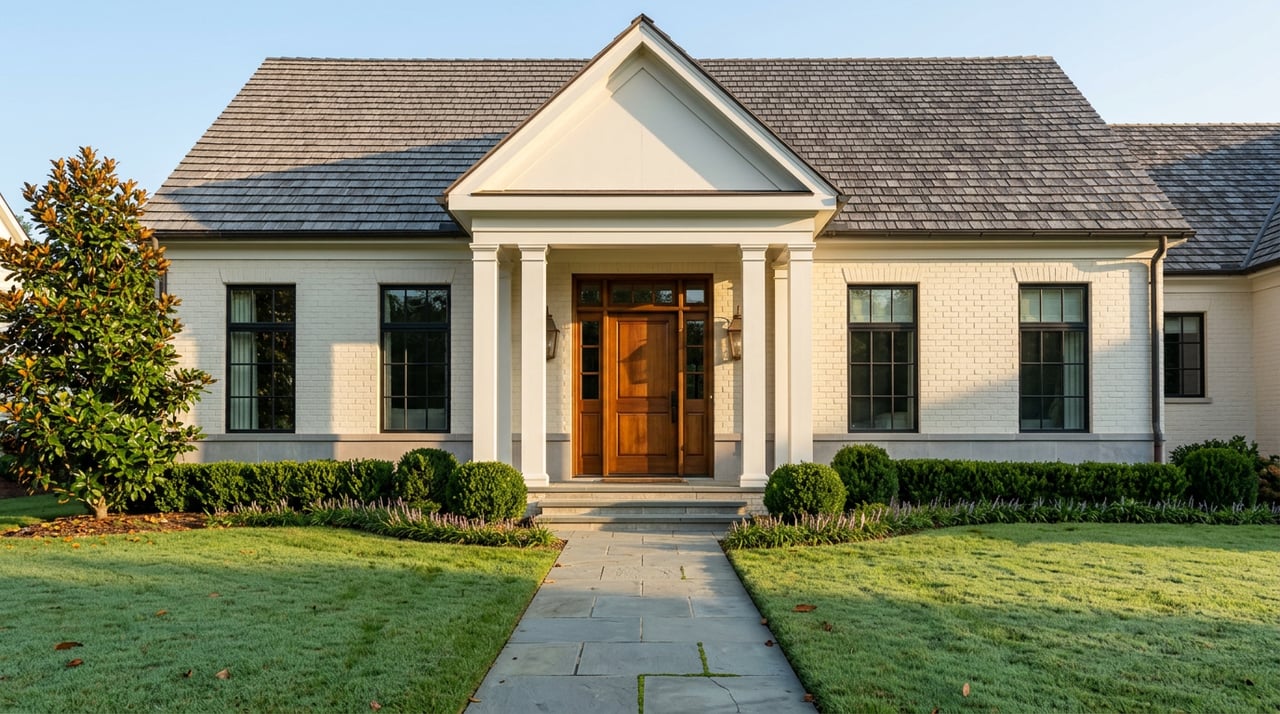
Newer homes may offer more modern layouts and finishes, but they often reflect the neighborhood’s form rules and lot constraints. The result can be a polished home with less yard utility or tighter access than you might expect in a more suburban setting.
In one common residential district used in the corridor, R8, the minimum lot size is 8,000 square feet. Even with that standard, lot dimensions, side yards, and usable outdoor space can still feel tighter than what many buyers expect elsewhere.
That is especially important if you want room for play space, entertaining, a detached structure, or easy parking. In 12 South, outdoor space is often part of the premium, not a given.
Parking is not a small detail in 12 South. The city’s corridor guidance discourages front-yard driveways and parking pads, prefers parking beside or behind structures, and recommends alley access where the street pattern already supports it.
That planning approach helps preserve the streetscape, but it also changes how a property lives day to day. A beautiful home can still feel less convenient if the driveway is tight, alley access is awkward, or guest parking is limited.
Access and parking are not uniform across the neighborhood. Metro notes that one segment of 12th Avenue South has more homes facing the avenue with consistent on-street parking, while the street narrows as it approaches Ashwood Avenue.
That means one block can feel easy and flexible, while another feels more constrained. When you tour homes here, it is smart to evaluate the exact block, not just the listing photos or neighborhood name.
12 South sits at a premium compared with nearby neighborhoods like Edgehill and Belmont-Hillsboro. As of May 2026, Realtor.com reported 41 active listings, a median listing price of $1.395 million, a median sold price of $1.275 million, median days on market of 41, and a 96% sale-to-list ratio.
Redfin, using a different timeframe and methodology, reported a median sale price of $1.6 million over the prior three months ending in May 2026, with 52 days on market and some homes receiving multiple offers. The key takeaway is not that one source is right and the other is wrong. It is that this market can move differently depending on the house.
12 South is a relatively small neighborhood market, and the sales sample can be thin. Redfin’s May 2026 snapshot was based on 11 sold homes, which means one or two unusually high-priced or heavy-fix-up sales can move the medians in a meaningful way.
For you as a buyer, that means headline numbers are useful for context, but they should not be your only guide. A block-level and property-level comparison is usually more helpful than broad neighborhood averages.
The market signals are mixed, and that is actually useful. Realtor.com classified 12 South as a buyer’s market in May 2026, while Redfin described it as somewhat competitive.
Those views can both be true at the same time. Some listings may sit, while the best-fit homes with strong updates, appealing blocks, and workable parking can still draw fast attention.
You should not assume every home will trigger a bidding war. You also should not assume a deep discount is waiting just because average sale-to-list data shows some room below ask.
For turnkey homes, there may be some negotiating space, but probably not enough to rely on a dramatic price cut. For older homes or properties with overlay or renovation complexity, your strongest leverage may come from inspection findings, permit history, or the scope of future work you may need to take on.
This is one of the biggest decisions buyers face in 12 South. In simple terms, you are often choosing between character and ease, while also balancing lot utility, parking convenience, and long-term flexibility.
A renovated cottage may offer the look and feel you love right away. A newer home may offer more modern systems and finishes, but it can come with tradeoffs in outdoor space, form, or access.
A renovated cottage can be a strong fit if you value original neighborhood character and are comfortable with some compromises. Those compromises may include a tighter driveway, smaller side yards, less flexible parking, or a future remodel that requires extra planning.
This option often appeals to buyers who care most about style, street presence, and being in the middle of the 12 South experience. Just make sure the practical details work for your day-to-day life.
A newer home may be a better match if you want a more current layout and fewer near-term upgrade projects. That said, newer construction in the area still reflects neighborhood design expectations, including rear or side parking and stronger attention to streetscape.
So while the home may feel more modern inside, it may not function like a large-lot suburban property outside. It is important to compare not just finishes, but also how the home sits on the lot.
In 12 South, future plans matter before you buy, not after. Much of the study area is under a Neighborhood Conservation Overlay District, and Metro materials show that nearby Belmont-Hillsboro parcels are also covered by a conservation overlay.
The key point is simple: verify the exact parcel. You should not rely on the neighborhood name alone when trying to understand what rules may apply to the property.
Metro says historic overlays are design-review tools and do not change the underlying use district. But new construction, additions, demolition, relocation, and setback determinations in overlay districts are reviewed by the Metro Historic Zoning Commission.
Common exterior items such as windows, roofing, doors, and materials can also trigger preservation review. Metro also says work completed without a preservation permit, or outside the approved scope, is a violation.
If you think you may want to add on later, build a garage, or change exterior features, overlay status should be part of your buying decision. Metro tells owners to use Parcel Viewer to check for existing overlays and encourages pre-application review for infill, unusual projects, and additions larger than 1,500 square feet.
That makes permit history and future project feasibility important due diligence items during your purchase. In a neighborhood like 12 South, renovation potential is not something to assume.
Beyond price, you will want to model the full carrying cost of the home. Metro says Davidson County property tax rates are set by Metro Council, and the Trustee provides a parcel-level calculator for estimating tax bills.
That means you should look at taxes by specific property rather than relying on a neighborhood average. In a premium market, small assumptions can create a meaningful change in your monthly budget.
For school zoning, use the exact property address through the MNPS Zone Finder. Metro’s school tools are address-based, and attendance boundaries can vary by street.
The safest assumption is not that every listing will disappear overnight. The better assumption is that the right home for your needs may move faster than neighborhood averages suggest.
With median days on market around 41 to 52 days, and some homes going pending in about 28 days, it helps to be ready before you start touring seriously. That means having financing lined up, knowing your inspection priorities, and deciding your comfort ceiling in advance.
A practical 12 South search usually works best when you:
The biggest mistake buyers make in 12 South is assuming they are only choosing a style of house. In reality, you are often choosing a package of tradeoffs that includes character, parking convenience, lot utility, and how much renovation complexity you are willing to manage.
That does not make 12 South harder to buy in. It just means the best decision usually comes from looking past curb appeal and focusing on how the property will function for you over time.
If you want help weighing those tradeoffs and comparing options with a local, practical lens, Parmenter Group is here to help you buy with clarity and confidence.
Stay up to date on the latest real estate trends.
You’ve got questions and we can’t wait to answer them.